How to Recognize (and Resist) Sales Language That Manipulates
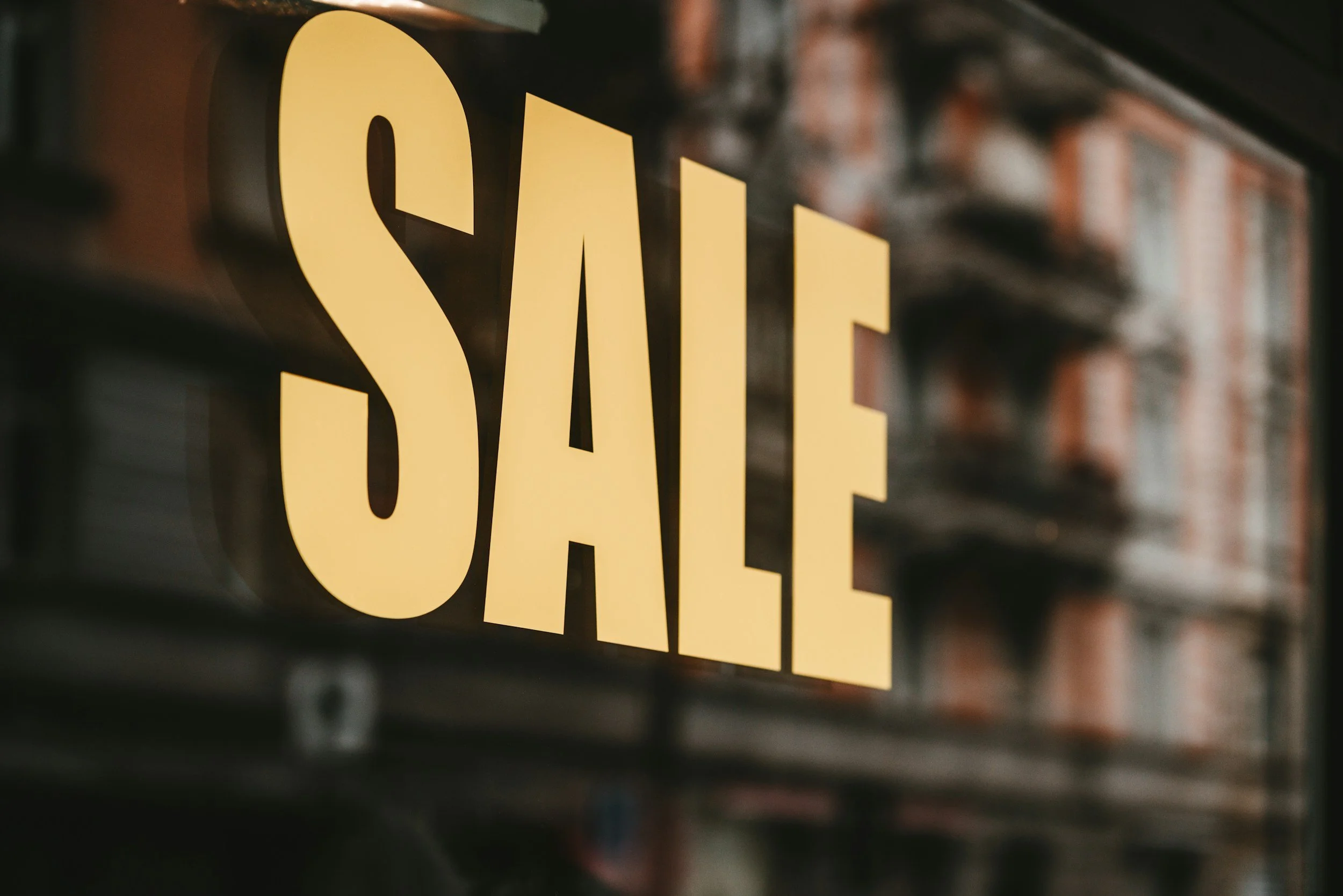
Because not every “deal” is actually a deal — and not every “need” is real.
You’re Not “Bad at Spending”, You’re Being Marketed To Constantly
If you’ve ever bought something you didn’t plan to and later thought, “Why did I do that?” It might not be a lack of discipline. It’s by design.
Modern marketing isn’t just about showing you products. It’s about shaping how you feel in the exact moment you’re deciding whether to buy them. And a lot of that happens through language.
Once you start noticing it, you can’t unsee it.
1. The Most Common Sales Triggers (and What They’re Really Saying)
“Only a few left”
What it means: We want you to panic-buy.
This is artificial scarcity. In most cases, inventory is not actually that limited—it’s a tactic to bypass hesitation.
“Limited time only”
What it means: Don’t think, just act.
Urgency removes space for reflection. It pushes you into impulse decisions you wouldn’t make with time.
“Best seller” / “Everyone is buying this”
What it means: Social pressure is being used as proof.
Popularity is not the same as quality. It’s just visibility.
“You deserve this”
What it means: We’re tying consumption to self-worth.
This is one of the most powerful modern marketing phrases because it reframes spending as emotional repair.
“Goes with everything”
What it means: We want you to justify needing more than you do.
This often encourages duplicate purchases by suggesting versatility that may not actually exist in your current wardrobe.
2. The Emotional Hooks Behind Shopping Language
Most sales language doesn’t target logic—it targets emotion:
Boredom → “New arrivals”
Insecurity → “Glow up / transformation”
Stress → “Treat yourself”
Loneliness → “Self-care essentials”
Anxiety → “Don’t miss out”
The product is secondary. The feeling is the hook.
3. How to Resist Without Overthinking Everything
You don’t need to become hyper-suspicious of every brand. You just need a small pause between stimulus and action.
Try this:
The 24-Hour Rule (for non-essential purchases)
If you still want it tomorrow, revisit it. Most impulse desire fades quickly.
Rename the urgency
Instead of “I need this before it sells out,” try:
“This is marketing pressure, not reality.”
“If it’s meant for me, it will still be useful later.”
Zoom out
Ask:
Would I want this if I hadn’t seen it online?
Did I even know this existed before 10 minutes ago?
4. The Goal Isn’t Zero Buying. It’s Clearer Buying
This isn’t about removing joy or spontaneity from shopping.
It’s about making sure your choices aren’t being made for you.
The difference between intentional consumption and manipulated consumption often comes down to one thing: awareness in the moment of decision.
Closing Thought
Marketing isn’t going away. Sales language isn’t going away. But your relationship to it can change.
Once you can see the patterns, you get more space to decide what actually fits your life—and what was just designed to pass through it.